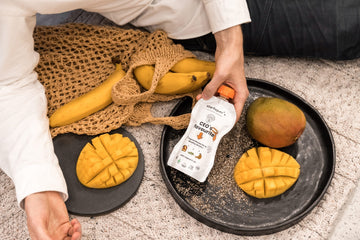

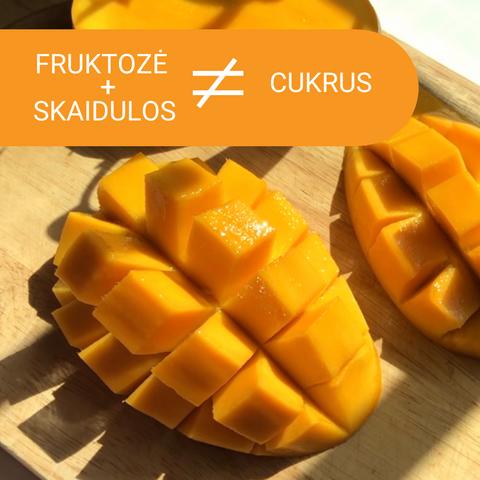
There’s a lot of confusion in the nutrition world around sugar, especially fructose. People tend to fear it because fructose has been linked to negative health effects, but here’s the truth: natural fructose from whole fruit is not the same as added sugar found in ultra-processed foods.
So What is Fructose?
Fructose is a naturally occurring sugar found in fruits, vegetables, and honey.
When you consume a Startuper Smoothie, that fructose comes together with fiber, not isolated like table sugar or syrups. And that changes everything.
Fiber acts like a brake.
It slows the way fructose is converted into glucose and absorbed into your bloodstream.
This results in a gradual, more controlled release of energy, instead of sugar spikes and crashes.
Why Fiber Matters
1. Steady and sustainable energy
Fiber slows down digestion, meaning fructose enters your bloodstream gradually.
Instead of a quick high and a crash, you get stable, long-lasting energy.
2. Satiety and appetite control
High-fiber foods make you feel fuller.
When fructose is consumed together with fiber, it increases fullness and reduces overeating. That’s one reason why fruit helps with body composition, while sugary snacks don’t.
3. A healthier gut
Fiber feeds your gut microbiome and keeps digestion moving.
It supports regular bowel movements, prevents constipation, and promotes the growth of beneficial gut bacteria.
Science agrees: eating whole fruits improves health
Fruit consumption lowers cardiovascular risk
Multiple studies show that eating fruits and vegetables is linked with a lower risk of heart attacks and strokes - two leading causes of death in Western countries.
One large review found that each additional daily serving of fruit lowered heart disease risk by up to 7%.
Fruits reduce risk of type 2 diabetes
In a study of 9 665 U.S. adults, high fruit and vegetable intake was linked to a 46% lower risk of diabetes in women.
A 2013 study looked at fruit by fruit: People who ate the most grapes, apples, and blueberries had the lowest risk of developing type 2 diabetes.
Other controlled trials showed that increasing fruit intake can lower blood pressure, reduce oxidative stress and improve blood sugar regulation in people with diabetes.
Notice the pattern?
Whole fruit → better health outcomes
Not candy, not syrups, not fruit juice.
Fruit can support weight loss
Fruits high in fructose and fiber are naturally filling.
If you’re trying to lose weight, you can replace calorie-dense snacks with whole fruits (or Startuper Smoothies that keep the fiber intact).
In a 2013 study, participants ate raw fruits and vegetables before meals or drank juice.
Those who ate whole fruits and vegetables felt significantly fuller and consumed fewer calories.
Juice did not have the same effect because it removes fiber.
Stop thinking “fructose = sugar.” Context matters.
When fructose comes from whole food, paired with fiber, like in Startuper Smoothies, your body metabolizes it differently compared to added sugars.
Fructose + Fiber = Controlled release, satiety, better digestion, steady energy.
This isn’t just theory.
It’s physiology… and it’s why Startuper Smoothies work.